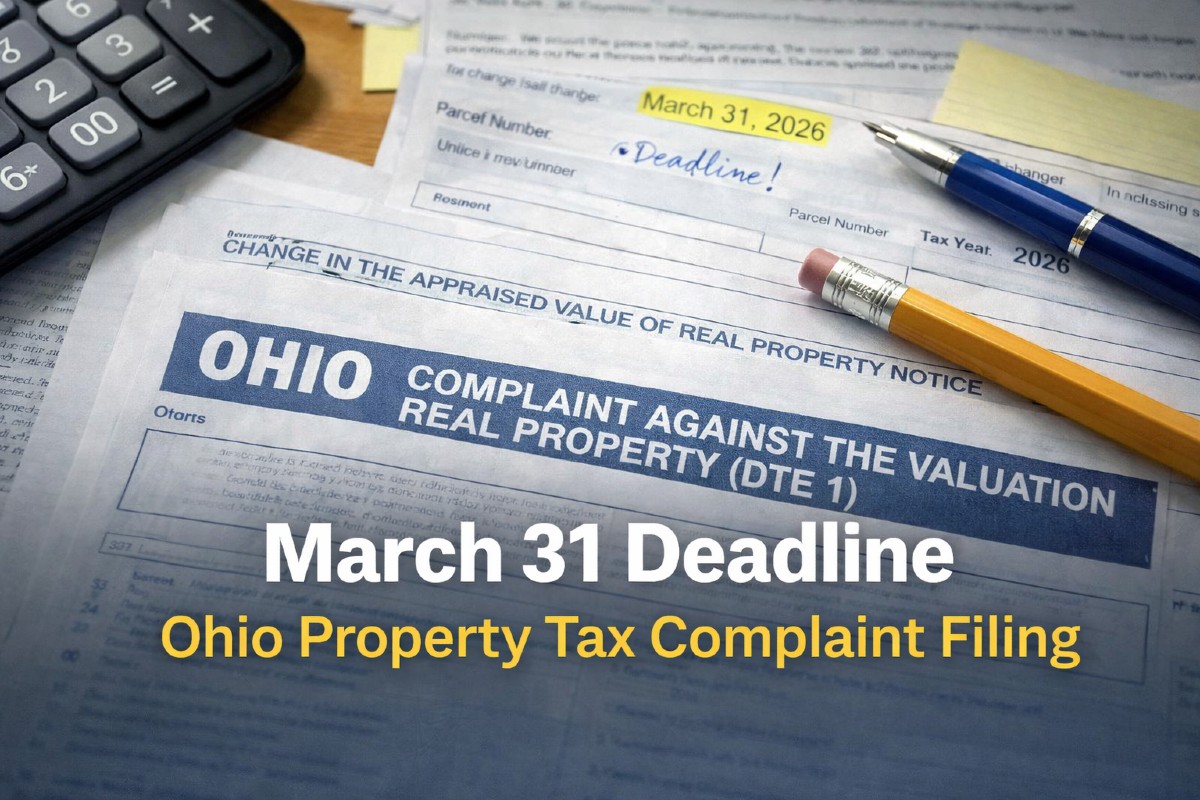

Exemptions, Abatements, and Damaged Property Relief
Legal guidance to secure available property tax exemptions, economic development incentives, and valuation relief after damage or loss
We help property owners obtain exemptions, abatements, and other statutory relief available under state and local law. Our work includes preparing applications, coordinating with local authorities, and representing clients during administrative review.
We also assist when properties are damaged, destroyed, or rendered unusable. Our goal is simple — to ensure that taxable value reflects reality and that owners receive the full relief to which they are entitled.

Our practice focuses on commercial and income producing properties.
What Our Property Tax Exemptions, Abatements, and Relief Services Include
We assist property owners, developers, nonprofits, and lenders in identifying and obtaining available statutory property tax exemptions and relief. Our services commonly include the following areas:
Charitable, Educational, and Public Purpose Exemptions
Applications and legal support for properties used for qualifying charitable, educational, religious, or governmental purposes.
Economic Development Abatements and Incentives
Assistance with tax abatement programs connected to redevelopment, job creation, or investment in designated development areas.
Damaged or Destroyed Property Valuation Relief
Applications for reduced valuation where buildings or improvements have been damaged, destroyed, or rendered unusable due to casualty events.
Change-of-Use and Partial-Use Exemptions
Guidance where only a portion of a property qualifies for exemption or where exempt and taxable uses exist in the same project.
Exemption Compliance and Renewal
Support with ongoing filings, documentation, and compliance to preserve exempt status after initial approval.
Administrative Hearings and Appeals
Representation before administrative bodies and courts when exemption or abatement requests are contested or denied.
We help clients identify the appropriate form of relief and guide applications through each stage of the review process.
When Exemptions, Abatements, or Damaged Property Relief May Be Available
Property tax relief is often available when the use of a property qualifies for exemption, when governments encourage development activity, or when a casualty event changes the condition or usability of improvements. Owners and managers commonly contact us in situations such as the following:
After a Casualty or Loss Event
Fire, storm damage, structural failure, or other events that leave improvements damaged, destroyed, or unusable may justify temporary or permanent valuation relief.
When a Property Is Used for Charitable, Educational, or Public Purposes
Nonprofit, religious, and institutional users may qualify for exemptions based on the nature of use rather than ownership alone.
When Undertaking Redevelopment or New Investment
Projects that create jobs or involve significant reinvestment may be eligible for economic development abatements or incentive programs.
When Property Use Changes
A shift from taxable to exempt use, or the creation of mixed exempt and taxable uses, may warrant updated filings or new exemption requests.
When Prior Exemptions Are Expiring or Under Review
Owners often seek assistance renewing exemptions, responding to auditor inquiries, or defending exempt status during administrative review.
Timely action is important, because many forms of relief are tied to statutory filing deadlines.
How Our Exemption, Abatement, and Damaged Property Relief Process Works
Our role is to identify the appropriate form of relief, prepare the necessary filings, and guide the request through administrative review. The process is structured to meet statutory deadlines and document eligibility clearly.
Step 1 – Eligibility Review and Strategy
We review property use, condition, and history to determine which exemption, abatement, or damaged-property program applies. We also evaluate timing requirements and likely approval paths.
Step 2 – Evidence and Documentation Gathering
We collect supporting materials such as charitable-use documentation, leases, financial records, damage reports, insurance records, and photographs to demonstrate eligibility.
Step 3 – Application Preparation and Filing
We prepare and submit required applications and supporting evidence to the appropriate local or state authority, ensuring compliance with filing deadlines and procedural rules.
Step 4 – Administrative Review and Hearings
We communicate with auditor offices and incentive authorities, respond to information requests, and represent clients in administrative hearings when needed.
Step 5 – Monitoring, Renewal, and Compliance
We assist with renewals, reporting obligations, and compliance requirements to maintain exemptions or abatements after approval.
Our goal is to secure available relief while minimizing administrative burden on owners and managers. Our property tax exemptions work often overlaps with abatements and damaged-property relief for commercial and institutional properties.
Types of Properties Served
Property tax exemptions, abatements, and damaged-property relief apply across many categories of commercial and institutional real estate. We most often assist owners and organizations in the following property types.
Charitable and Nonprofit Facilities -Properties used for charitable, religious, or community-service purposes where eligibility depends on actual use.
Educational and Institutional Properties - Schools, universities, and training facilities with qualifying educational uses.
Healthcare and Medical Properties - Hospitals, clinics, and related facilities that may qualify based on ownership and use.
Commercial and Redevelopment Projects - Retail, office, mixed-use, and redevelopment sites eligible for economic-development abatement programs.
Industrial and Manufacturing Facilities - Plants, warehouses, and logistics properties located in designated incentive or redevelopment areas.
Properties Damaged by Casualty Events - Buildings rendered partially or fully unusable due to fire, storm, structural failure, or similar events.
Frequently Asked Questions About Property Tax Exemptions, Abatements, and Damaged Property Relief
Ready to Discuss an Exemption, Abatement, or Damaged-Property Relief Matter?
Available property tax relief can significantly reduce carrying costs, but many programs are deadline-driven and require clear documentation. We help owners, developers, and institutions identify eligibility and guide applications through review.
Contact us to discuss your property and potential relief options.

National Property Tax Group’s sole Ohio representative